
Yield Analysis & Comparison
The Guide That Will Change How You Look at Real Estate
A 650,000 NIS Apartment That Earns More than a 3.5 Million NIS One — It's Not Magic. It's Math.
**Apartment in Tel Aviv:**
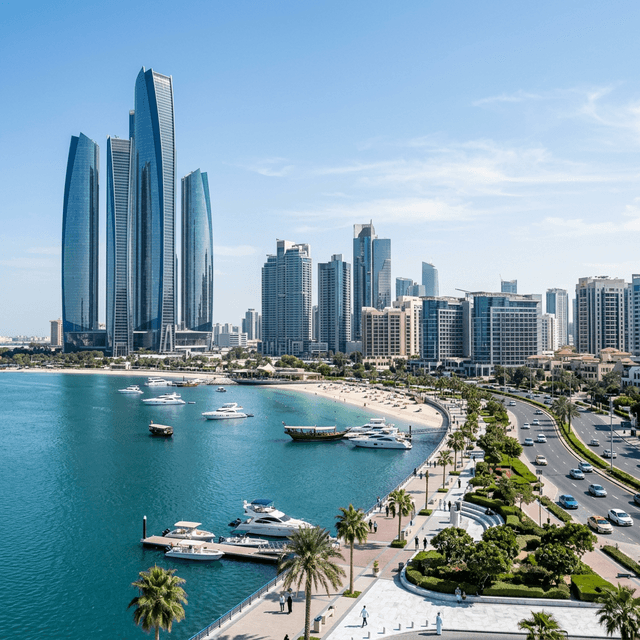
Let's make a simple and transparent comparison.
**Apartment in Tel Aviv:**
* Price: 3,500,000 NIS
* Annual Rental Yield: ~2.5%
* Annual Income: ~87,500 NIS
**Apartment in Dubai:**
* Price: ~650,000 NIS
* Annual Rental Yield: ~7%
* Annual Income: ~45,500 NIS
Now let's calculate what happens if you take the same budget — 3.5 million shekels — and invest it in Dubai instead of Tel Aviv:
* Number of Apartments: approx. 5 apartments
* Annual Income from Rent: ~227,500 NIS
* Vs: 87,500 NIS from one apartment in Tel Aviv
1
"Missed Tel Aviv 17 Years Ago?"
In 2009, an apartment in Tel Aviv cost 800,000 shekels. People said — *too expensive, too dangerous, not the right time.*
Today, that same apartment is worth 3.5 million.
Whoever bought then wasn't a genius. They didn't know what would happen. They just identified a growing market with increasing demand and developing infrastructure — and acted.
**Dubai in 2026 looks very similar to Tel Aviv in 2009:**
* Population growing at an unprecedented rate — from 1 million to 3.5 million in 20 years, and on track for another doubling
* Construction and development infrastructure that continues to accelerate
* High rental demand — a city of foreign workers who don't buy, only rent
* Prices that haven't reached the ceiling yet
The one difference: This time you know about it in advance.
2
50,000 Israelis are Already There. Who are They?
Not billionaires. Not high-tech people with an exit. Ordinary people — employees, self-employed, aged 35-55 — who decided they weren't waiting anymore for real estate in Israel to be within reach again.
**What made them move:**
* In Israel, you need 2-3 million shekels to enter the market. In Dubai — starting from 650,000 NIS - and initial equity of 150,000 NIS.
* In Israel, rental yield barely covers the mortgage. In Dubai, the property finances itself.
* In Israel, purchase tax, capital gains tax, property tax. In Dubai — no capital gains tax, no annual property tax.
* In Israel, bureaucracy and uncertainty. In Dubai — a regulated market, with clear rules for foreign investors.
*They didn't leave Israel. They just stopped waiting for Israel to wait for them back.*
3
So Why Doesn't Everyone Do It?
Good question. Some honest answers:
**Information** — most people don't know how to enter. Sounds complicated, far, unfamiliar.
**Fear** — "What if it goes down?" — the same fear that prevented people from buying in Tel Aviv in 2009.
**Inertia** — it's easy to wait another quarter, another year. The problem is the market doesn't wait.
**Myths** — "It's only for the rich", "You have to be there", "I don't understand it" — all can be solved.
4
What Do You Need to Start?
You don't need to fly to Dubai. You don't need to know Arabic. You don't need a huge sum.
You need:
* Initial equity of 150,000 NIS.
* A reliable local partner who knows the market and is experienced in working with developers and banks.
* Right questions to ask before signing the contract.
*"The train hasn't left. But it's already in motion."
5
Next Step
If this comparison made you think — it's probably worth talking.
Not to buy now. To understand if it's even relevant for you — based on your amount, your goals, and the level of risk you're comfortable with.
A discovery call of a few minutes, free of charge and with no obligation.
Access Specialized Data
Unlock access to Comparison data.
Israeli & International Taxation
Yield Potential Analysis
2026 Market Outlook
Detailed Comparison Report
Secured Data
© 2026 WE DUBAI | we-dubai.co.il | The information in this guide is general and does not constitute investment, legal, or tax advice.